Common Causes of Damage to Concrete Flatwork
People seeking damage to concrete flatwork repair are usually looking to fix cracks, spalling, or uneven surfaces, and local contractors can provide expert solutions to restore their flatwork's integrity.
Understanding the common causes of damage to concrete flatwork is essential for property owners looking to maintain the integrity and appearance of their outdoor spaces. Factors such as freeze-thaw cycles, improper installation, and exposure to harsh weather conditions can all contribute to cracks, spalling, and other types of deterioration over time. Recognizing these issues early can help prevent more extensive damage, making it easier and more cost-effective for property owners to address problems before they worsen. Local contractors experienced in concrete flatwork repair are equipped to evaluate these causes and recommend appropriate solutions to restore and protect concrete surfaces.
For property owners in the area, exploring the typical reasons behind damage to concrete flatwork offers practical benefits. Whether it's dealing with cracks caused by ground movement or surface erosion from frequent exposure to moisture, understanding these common issues can guide decisions about repairs and maintenance. Connecting with local service providers who specialize in concrete flatwork repair ensures that solutions are tailored to specific conditions and challenges faced in the local environment. Keeping informed about these causes empowers property owners to take proactive steps toward preserving their concrete surfaces and ensuring long-lasting results.
- Driveway concrete slabs - when cracks or uneven surfaces develop due to heavy vehicle traffic or soil shifting, local contractors can assess and repair the damage.
- Patio or walkway flatwork - if surface deterioration or spalling occurs from freeze-thaw cycles or poor drainage, local service providers can perform necessary repairs.
- Garage floor slabs - when cracks or heaving happen because of moisture intrusion or concrete shrinkage, local pros can restore stability and appearance.
- Commercial flatwork - damage caused by heavy loads or improper installation can be addressed by local contractors experienced in repair techniques.
- Concrete curbing or edging - if cracking or settling occurs from soil movement or root intrusion, local service providers can evaluate and fix the issues.
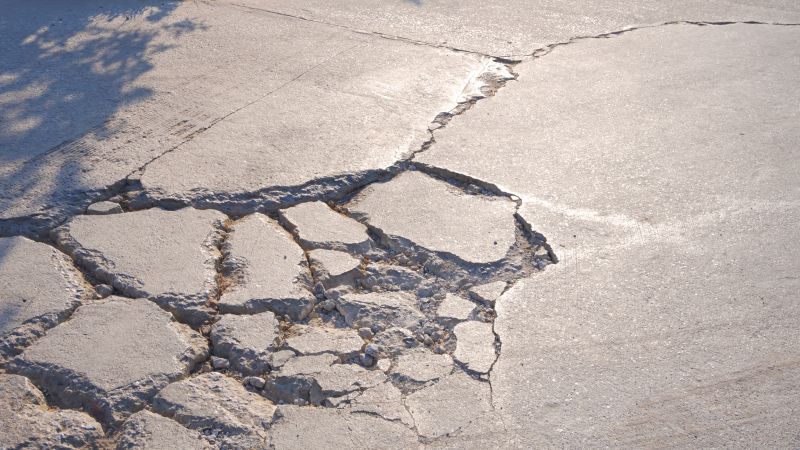
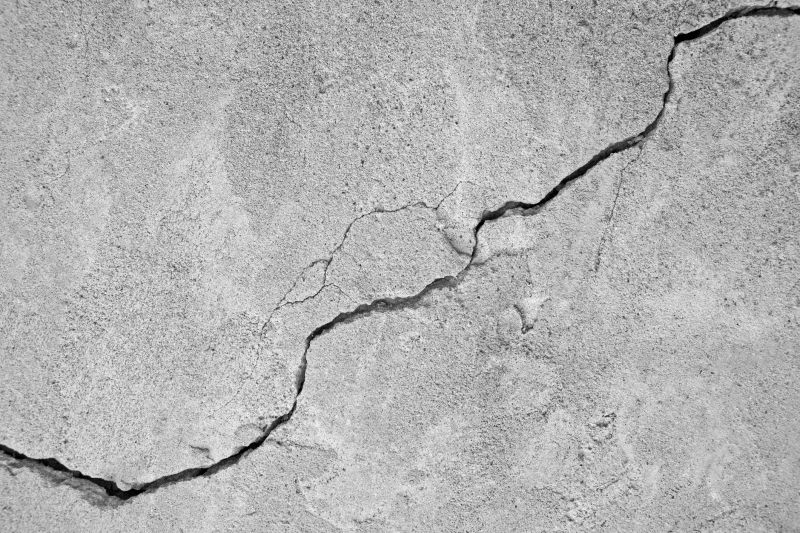
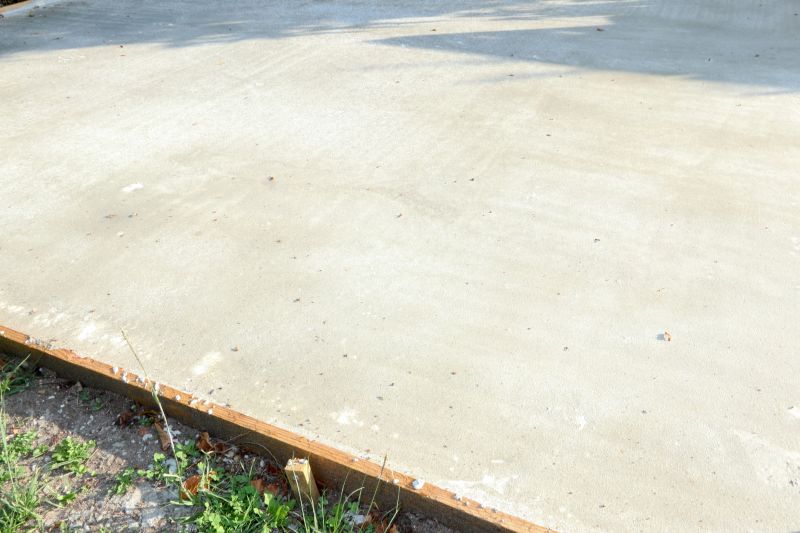
Understanding the common causes of damage to concrete flatwork is essential for homeowners who want to maintain the integrity and appearance of their paved surfaces. Concrete flatwork, which includes driveways, sidewalks, patios, and flooring, is exposed to various elements and conditions that can lead to deterioration over time. When searching for this topic, many people are looking for insights into why their concrete surfaces are cracking, sinking, or developing surface issues. Recognizing these causes helps homeowners plan appropriate repairs and prevent further damage, making it a key concern for property owners aiming to preserve their outdoor and indoor concrete features.
Several factors contribute to damage in concrete flatwork, with weather-related issues being among the most common. Freezing temperatures can cause the water within the concrete to freeze and expand, leading to cracks and spalling. Conversely, hot and dry conditions may cause the concrete to shrink and crack due to moisture loss. Heavy rainfall or ongoing moisture exposure can weaken the concrete’s surface and promote erosion or surface scaling. Additionally, improper drainage around the property can cause water to pool or seep into the concrete, accelerating deterioration. These weather and water-related issues are often linked to broader property plans involving drainage improvements or surface repairs, making it important for homeowners to understand how weather impacts their concrete flatwork.
Another significant cause of damage relates to the quality of installation and the materials used during construction. Poorly mixed concrete, inadequate curing, or improper placement can result in weak spots that are prone to cracking and surface deterioration. Overloading the surface beyond its designed capacity can also cause cracking or sinking, especially in driveways and patios. Additionally, tree roots growing underneath or near the concrete can exert pressure, leading to upheaval or cracking. These issues are often encountered in residential properties with mature trees or older installations, emphasizing the importance of professional installation and proper planning in property development or renovation projects. Local service providers specializing in concrete repair can assess and address these problems effectively.
Maintenance practices and the frequency of repairs also influence the lifespan of concrete flatwork. Neglecting small cracks or surface issues can allow water infiltration and freeze-thaw cycles to cause larger, more costly damage. Regular wear and tear from foot traffic, vehicles, or outdoor equipment can weaken the surface over time. In some cases, chemical exposure from de-icing salts or other substances can degrade the concrete’s surface or cause corrosion of embedded reinforcement. For property owners planning long-term upkeep or dealing with existing damage, local concrete repair professionals offer solutions tailored to the specific causes of deterioration. Their expertise can help restore the flatwork’s strength and appearance, ensuring it remains functional and safe for years to come.
Paving projects - skills in preparing and installing durable surfaces are essential for addressing damage caused by freeze-thaw cycles and heavy traffic on concrete flatwork.
Driveway construction - involves planning and executing proper grading and reinforcement techniques that can prevent common causes of damage to concrete flatwork.
Patio and walkway installations - require precise leveling and joint placement, which are critical skills for repairing and preventing damage in concrete flatwork.
Foundation repair services - share expertise in stabilizing and strengthening concrete structures affected by settlement or shifting, common issues linked to damage causes.
Drainage system installation - involves planning and implementing effective water management solutions that help mitigate water-related damage to concrete flatwork.
Retaining wall construction - includes skills in managing soil pressure and drainage, which are important for preventing structural damage similar to issues seen in flatwork.
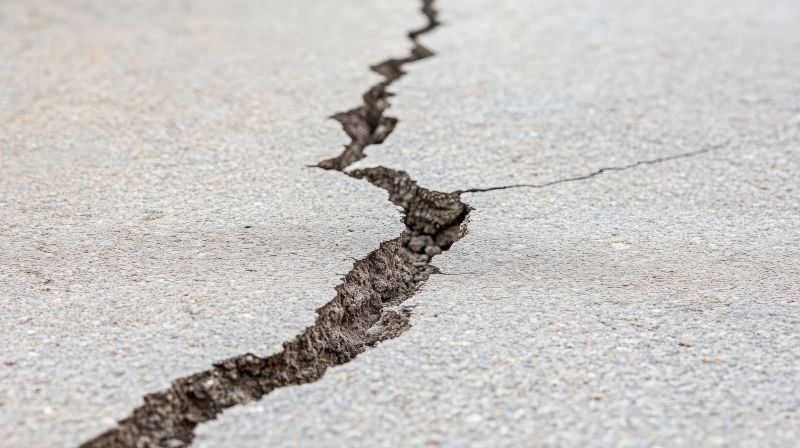
When evaluating service providers for damage to concrete flatwork repair, it’s important to consider their experience with similar projects. Homeowners should look for local contractors who have a proven track record of handling issues related to common causes of damage, such as cracking, spalling, or uneven settling. An experienced contractor will understand the typical challenges associated with different types of damage and be able to recommend appropriate repair methods. Checking references or reviews can provide insight into how well a local contractor has managed past projects similar to the repair needs at hand, helping to ensure that the work will be performed competently and efficiently.
Clear written expectations are essential when comparing local pros for concrete flatwork repair. Homeowners should seek out service providers who provide detailed, written estimates that outline the scope of work, materials to be used, and the anticipated process for repairs. This helps prevent misunderstandings and ensures that both parties are aligned on the project’s goals. A well-documented plan also makes it easier to evaluate bids objectively and compare what each contractor is offering, fostering transparency and confidence in the decision-making process.
Good communication is a key factor when choosing local contractors for damage repair services. Homeowners should prioritize service providers who are responsive, willing to answer questions, and able to clearly explain the causes of damage and the recommended repair solutions. Effective communication can help clarify expectations, keep the project on track, and address any concerns promptly. Trustworthy local pros will keep homeowners informed throughout the process, making it easier to make informed decisions and feel confident that the repair work will be handled professionally and thoroughly.
Property owners often search for common causes of damage to concrete flatwork when they are planning practical projects around their homes and businesses. Local pros provide Damage to Concrete Flatwork Repair services for everyday jobs and straightforward project options.
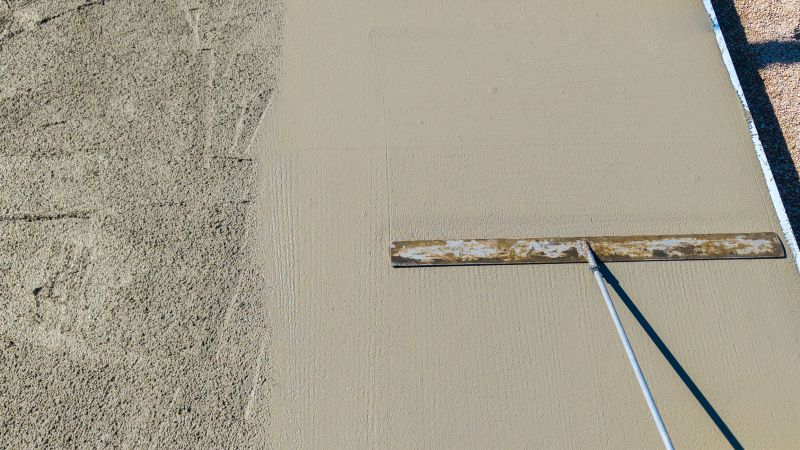
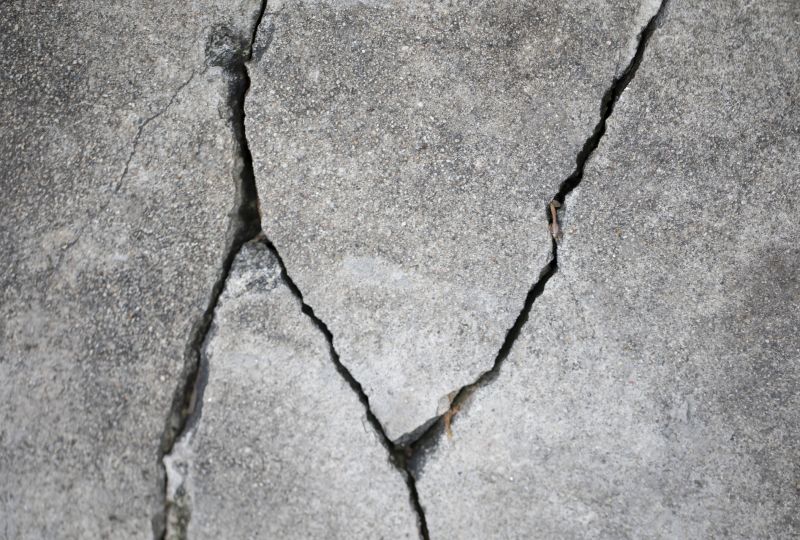
Concrete flatwork can sustain damage from a variety of everyday project situations that property owners often encounter. Heavy foot or vehicle traffic, especially in high-use areas, can lead to surface cracking or uneven settling over time. Additionally, exposure to standing water or improper drainage can weaken the concrete’s foundation, resulting in cracks, spalling, or even structural failure. Property owners noticing these issues may seek out local contractors who specialize in concrete repair services to restore the flatwork’s integrity and appearance.
Simple factors such as temperature fluctuations and exposure to the elements also contribute to common causes of damage to concrete flatwork. Freeze-thaw cycles can cause the concrete to expand and contract, leading to cracks or surface deterioration. Improper mixing or curing during installation can leave the concrete vulnerable to early damage, while ongoing exposure to moisture and UV rays can accelerate wear. When these issues arise, property owners often look for local service providers capable of performing repairs that improve durability and extend the lifespan of their flatwork.
What are common causes of damage to concrete flatwork? Common causes include freeze-thaw cycles, poor soil preparation, excessive load stress, and improper curing, which can lead to cracking and surface deterioration. Local contractors experienced in concrete repair can assess and address these issues effectively.
How does freeze-thaw damage affect concrete flatwork? Repeated freezing and thawing cause water within the concrete to expand and contract, leading to cracks and surface spalling. Local repair specialists can help restore and reinforce affected areas.
Can poor soil preparation lead to damage in concrete flatwork? Yes, inadequate soil compaction or unstable ground can cause uneven settling, resulting in cracks and uneven surfaces. Skilled contractors can stabilize the soil and repair the flatwork to prevent further damage.
What role does improper curing play in damaging concrete flatwork? Improper curing can lead to weak surface strength and cracking due to rapid drying or temperature fluctuations. Local pros can perform proper curing techniques and repairs to improve durability.
How do heavy loads contribute to damage in concrete flatwork? Excessive weight from vehicles or equipment can cause stress and cracking in the concrete. Experienced repair providers can evaluate and reinforce the flatwork to withstand such loads.
Heavy Loads and Traffic - Regularly assessing the weight and frequency of vehicles or equipment on flatwork can help property owners prevent undue stress and cracking, with local contractors providing reinforcement and repair services.
Poor Drainage and Water Exposure - Ensuring proper grading and drainage around concrete surfaces reduces water pooling that can lead to erosion and freeze-thaw damage, supported by local pros for drainage improvements and repairs.
Lack of Proper Curing and Installation - Proper curing techniques and quality installation practices are essential to prevent early cracking, and local service providers can assist with repairs caused by improper setup.
Exposure to Freeze-Thaw Cycles - Protecting concrete from repeated freezing and thawing helps minimize surface scaling and cracking, with local contractors offering repair solutions to restore damaged flatwork.
If you are thinking about common causes of damage to concrete flatwork for a property, this guide is meant to help you understand this topic, the typical project types, and how different options might fit your plans.
When you are ready, you can use the quote form on this page to share a few details about your project. From there, local pros can review the basics and follow up with options that match what you have in mind.