Concrete Finishing Services for Property Owners
This page explains concrete finishing services and helps compare local contractors who handle the work.
- - Concrete Finishing Services for residential driveways, patios, and walkways.
- - Local contractors specializing in stamped, brushed, and smooth finishes.
- - Connect with experienced service providers to meet specific project needs.
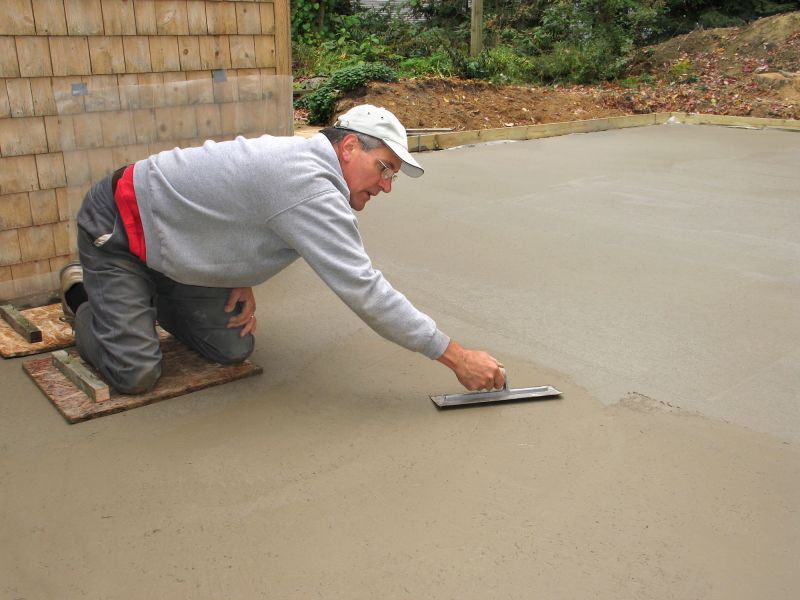
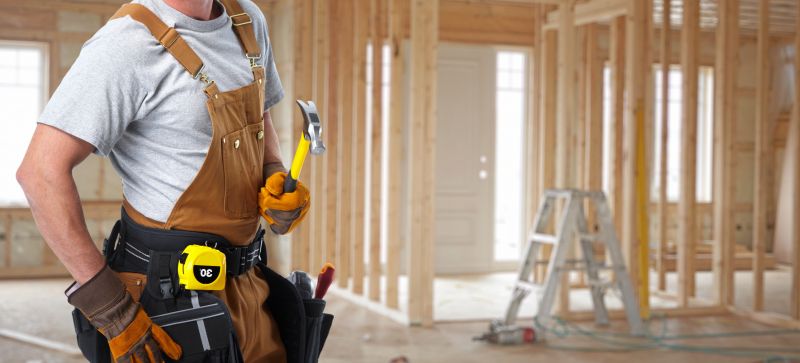
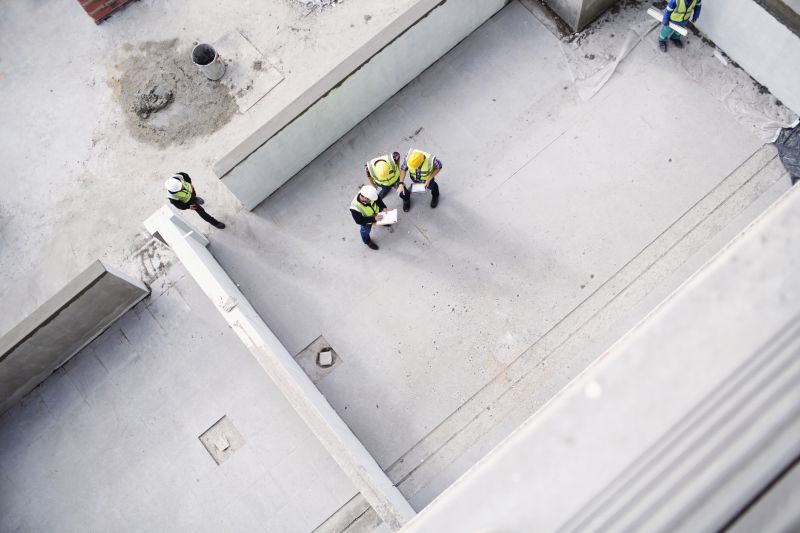
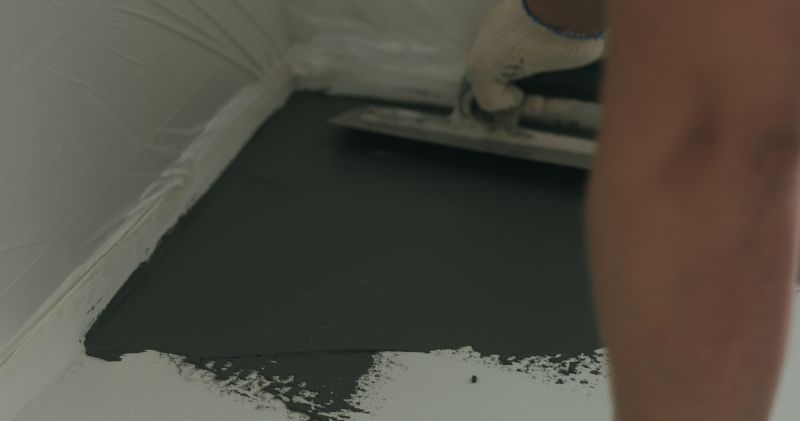
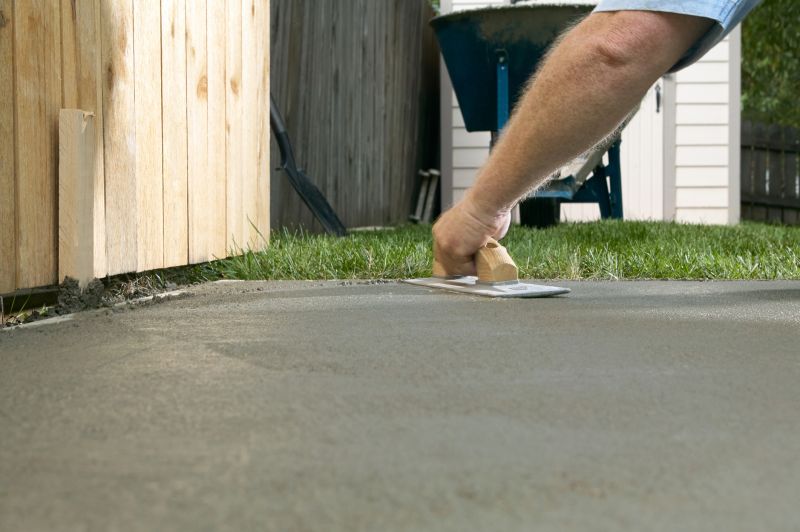
Concrete finishing services are essential for creating smooth, durable surfaces on a variety of projects, including driveways, patios, sidewalks, and commercial floors. Local contractors specializing in concrete finishing handle tasks such as grading, leveling, smoothing, and applying finishing techniques to achieve the desired look and functionality. Property owners often seek these services to enhance the appearance of their outdoor spaces or ensure the longevity of concrete surfaces, making it important to connect with experienced local service providers who understand the specific requirements of each project.
These professionals typically work with a range of concrete types and finishes, offering solutions tailored to different needs and environments. Whether preparing a new slab or restoring an existing surface, local concrete finishing contractors can assist with the necessary steps to ensure a high-quality result. Property owners can expect to find experienced service providers capable of handling various projects, from residential driveways to commercial flooring, helping to bring their concrete visions to life with practical expertise.
This guide provides helpful information to compare and connect with local contractors experienced in concrete finishing services. It assists in understanding the key aspects of concrete projects and what to consider when choosing a service provider. By exploring this resource, visitors can better prepare to discuss their project needs with local professionals.